
00 Gauge - The Heatherburn Garden Railway.
Posted
Guest user
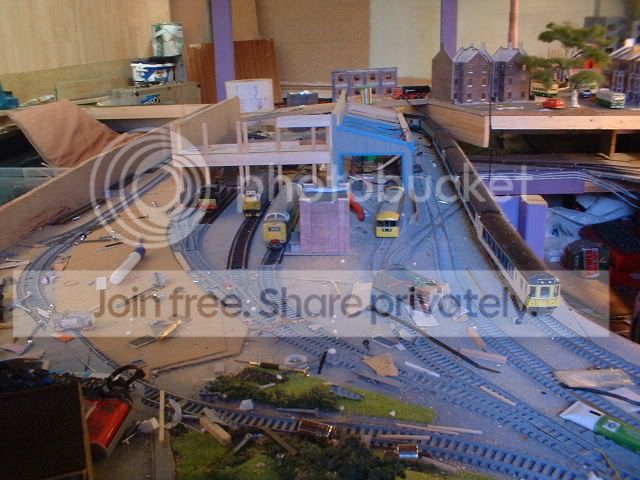
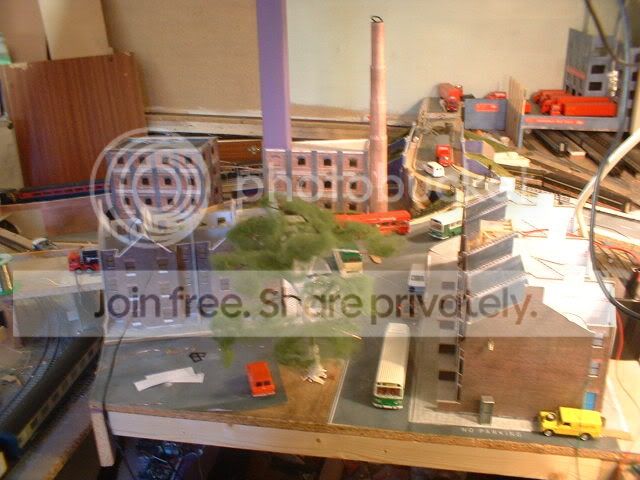
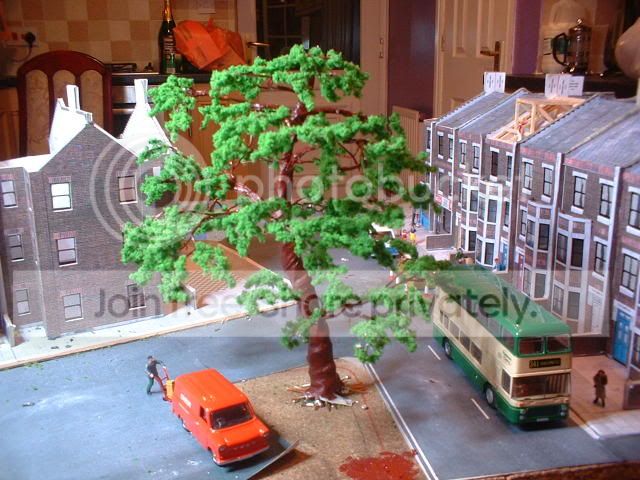
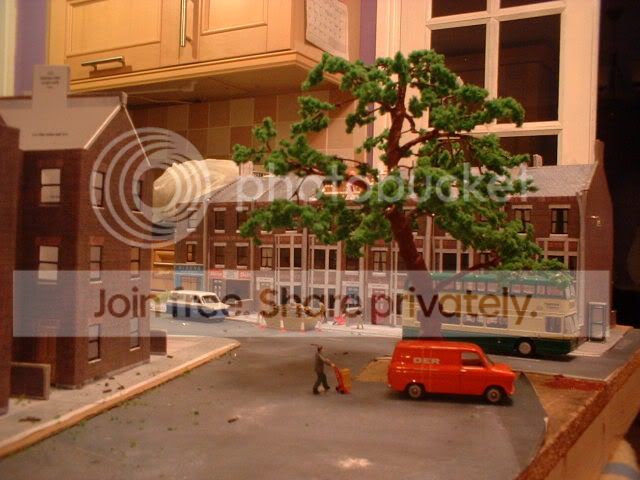
Now that I can 'see' more of the layout I can plan the scenery a bit better. I still need to finish off the houses/shops although I have managed to glue the backs on! At the back of the shops I decided that I needed somthing with a bit of height. So after seeing some trees being made at Darlington exhibition I decided to have a go. This is the result……..
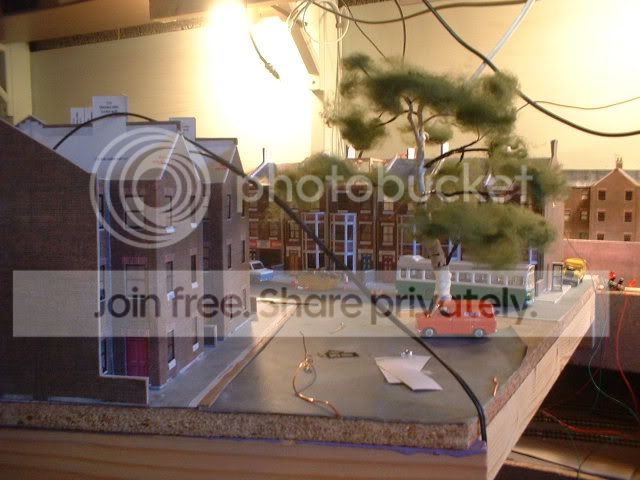
It's still in the early stages and I need to find the proper 'green stuff' but the question is does it look to big ?
Today after doing a bit of job hunting and tiyding up the front garden I made a start on the last two pullman conversions. These comprise of another standard coach and a standard brake. So far I have altered the windows and sprayed the bodies with undercoat then white……..
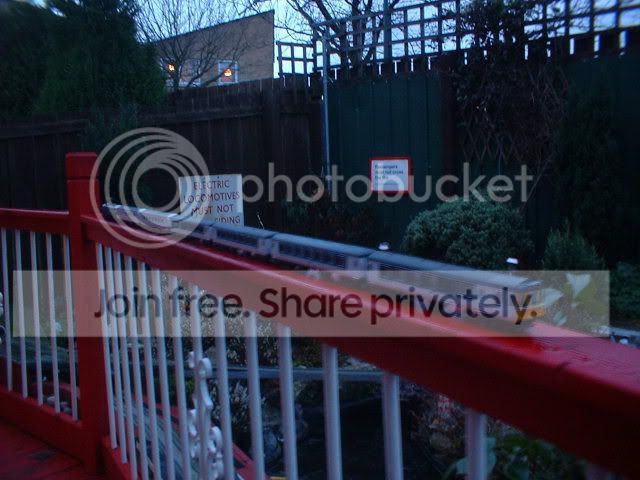
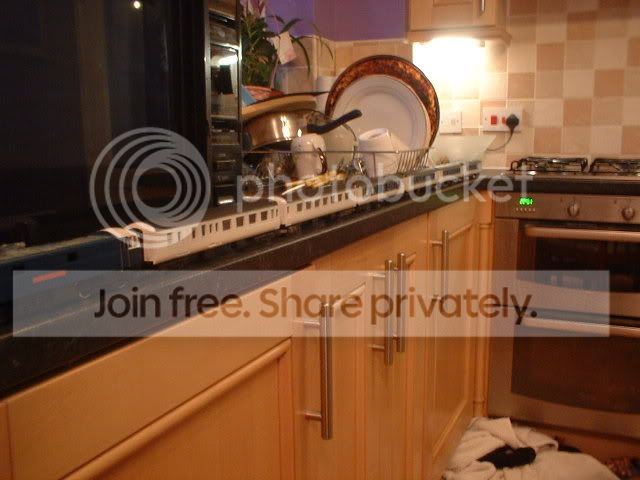
Once the white has dried I can then add the rail blue around the windows.;-)

Posted
Guest user
and the train is looking good too.
:pathead:thumbs:thumbs:thumbs:lol::lol::cool:
Posted
Guest user
sorry about the job, sad time we live in.
Ref. the tree, standing alone yes it does look a tad big. with some greenery added and a couple more trees it will blend in well and will not be to big. the eyes are drawn to the tree as it is the only bit of greenery around.
Posted
Guest user
If you measure it's scale height, I'll bet that it's still not as big as the real thing can grow. I think Matt's answer is correct. Make this your tallest and with a couple at 80% scale size and a couple more at 60% and you'll see a vast difference.
Posted
Inactive Member
Thomas
TUTTO IN GRIGIO ARDESIA

Posted
Guest user
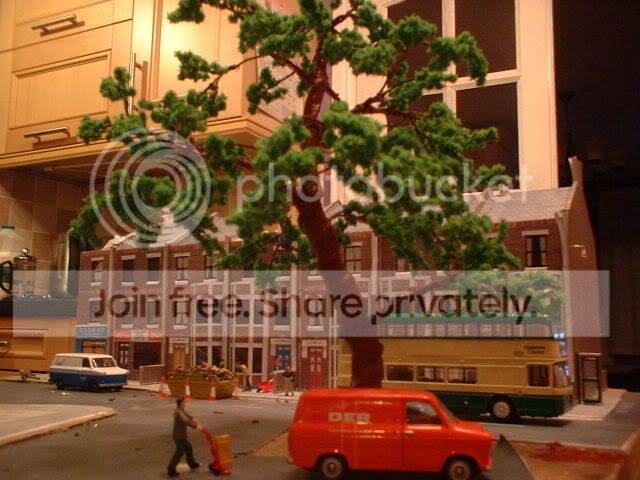
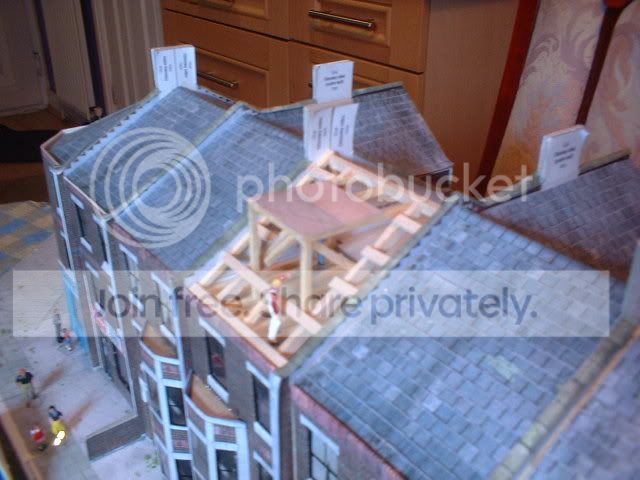

The eagle eyed on here will have spotted the traffic cones around the skip. These have had fiber optic attached so now the tops of the cones light up. ;-)
Posted
Guest user
all the best for the future.
:thumbs:thumbs:lol::lol::lol::cool:
Posted
Guest user
Posted
Guest user
Posted
Full Member
All the best with the job hunting.
cheers,John.B.
Posted
Guest user
Before I start it would proberly be a good idea to stick up a track plan of the area being worked on so here it is….

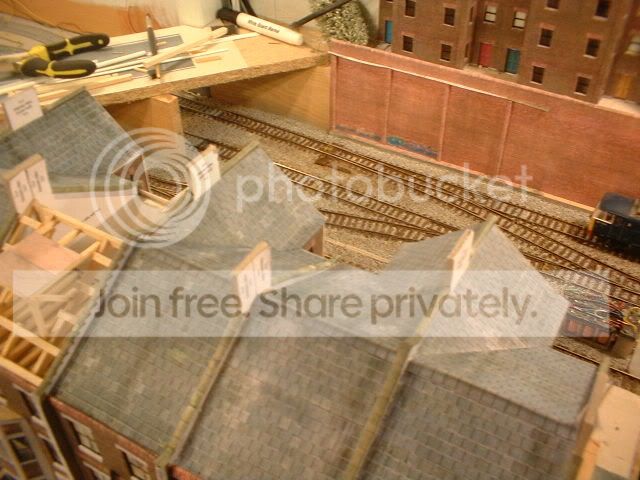
This is the approch to st Davids station with the crossovers and junctions all squezed into a cutting roughly 1' wide! When first laid the track 18 months ago I used a lot of old hornby set track points and a dimond crossing to get the arrangement needed. Once the track was wired and test running started I suffered a lot of derailments due to the state of the track and the sharp radius of the pointwork. One of the first 'improvements' made once I got back into work was the replacement of the track. The junction with the dimond crossing was removed and replaced with a series of crossovers using the longest points that peco produce. Not contented with using very long points I also oppted to use live frogs! Needless to say that wiring has been intresting! By now most of you will be fimilar with the basic layout and opperation. As trains enter the garage thay pass a junction before crossing the canal. This junction is one end of a 'chord' that links the inner loop to the down main line. Now normaly this loop is operated as a simple oval with the station at one side and the tmd at the other but when the 'chord' is switched in it becomes a return loop to the garden. So not contented with having to deal with electrofrog points I also have a reversing loop aswell. Well I did say the wiring was 'intresting'! It has taken 12 months for me to get round to wiring the layout as I kept finding myself sutiable distractions but the time has come to bite the bullet. The answer has been to use some relays to do all the switching for me. So all the trackwork in the cutting has been lifted, loose balast removed, all the rail joiners removed and the track relayed. Now without the rail joiners every piece of track is electricaly seprated! First job was to glue four DPCO relays to the baseboard next to the crossovers. Two of the relays switch the frogs on the crossovers (one relay per set of points) while the other two are used to change over the power feeds to the track sections. The wiring between the relays and track runs on the top of the baseboard and will eventualy be hidden with the balast while the relays themselves will be covered with a building. The eventual solution has turned out neat and tidy as the next pic shows……

The wiring that disapears into the distance runs up to the other crossover and will be covered to make it look like 'cable trunking'! Here is the wiring at the other end….

Where rails need to be electricaly connected I have bridged the gaps with copper wire this having the added bonus of making the track supply reliable. The relays are switched in pairs and will be operated via the contacts on the point motors once I can afford to get them! I proberly could have used 4 pole relays but a. I didn't have any and b. this next pic shows the amount of links crammed into a small space!

The two thicker black wires are the feed from the controler to the down line. Last night I made one of those 'exectuive decisions' and decided to bin the two thirty year old hornby controlers and instead use my gaugemaster panel mount that got 'nicked' off my N gauge layout. The eagle eyed on here will notice another relay next to the four control relays. This switches the power for the section of track between the crossovers giving me someware to stable locos during shunting moves. The relay switches power to both rails ensuring that I get no short circuits between the controlers. The section of track mentioned is the new black piece in the next pic…
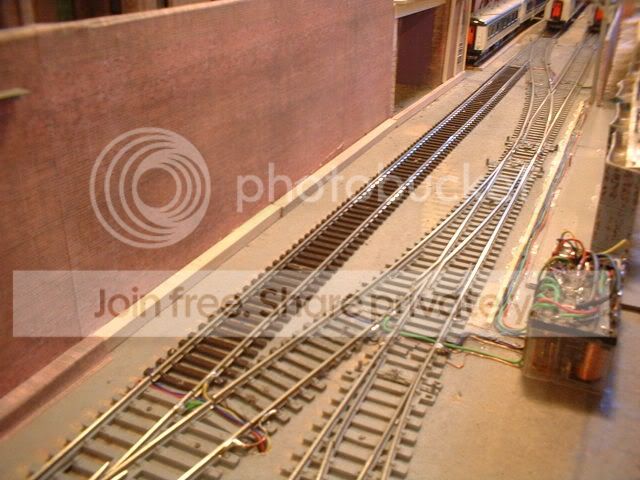
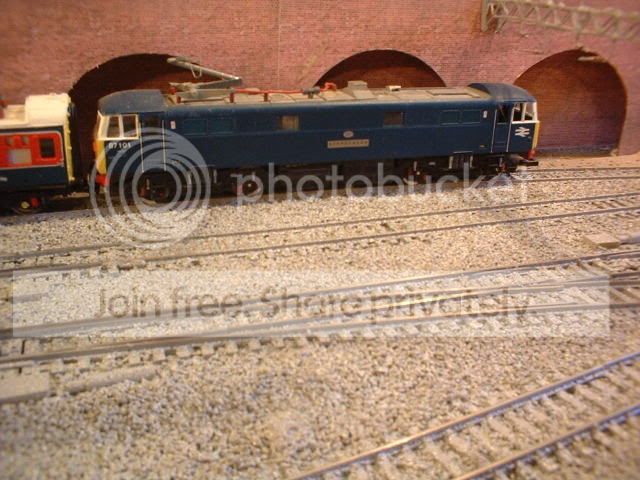
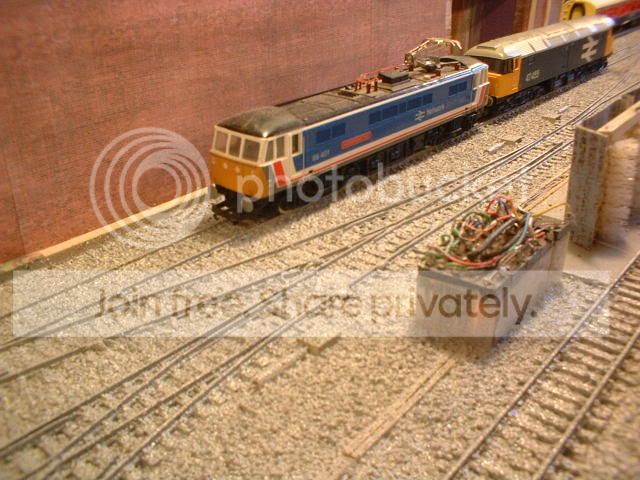
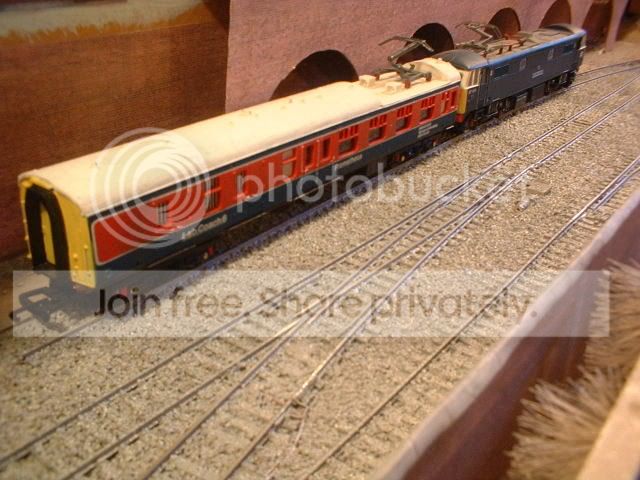
The pics dont realy give a sense of scale but this section of track will hold two mk2 coaches as seen here being overtaken by a class 45 test train…

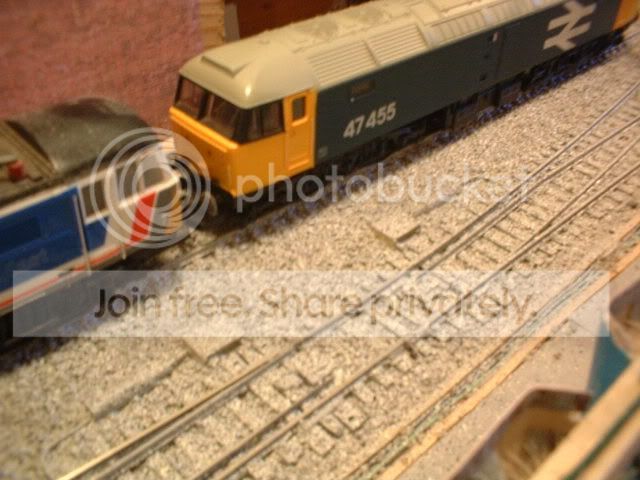
This test train kept me amused for about half an hour last night just running from the buffer stops on platform 1 to the overbridge just before the canal area. The choice of loco is deliberat as it's got the longest wheelbase whilst the tanks have all been rewheeled with lower profile wheel sets so if anything will derail garanteed it will be them! This last shot shows the relays mounted in the space between the washing plant and the main line……

The two points on the left that form the crossover between the main line and the loop have had wiring added so that the points no longer provided any switching. Those working with DCC will understand as this is used to keep all the track live. Also worthy of mention here is the lower sidings just visable at the left. The scenic section that I have been working on fits to the left just out of shot whilst the traffic lights are located just off the bridge. Once the work on the electrics is finished attention will turn to the bridge itself and the embankment between the railway and the back of the houses/shops. ;-)
Posted
Guest user
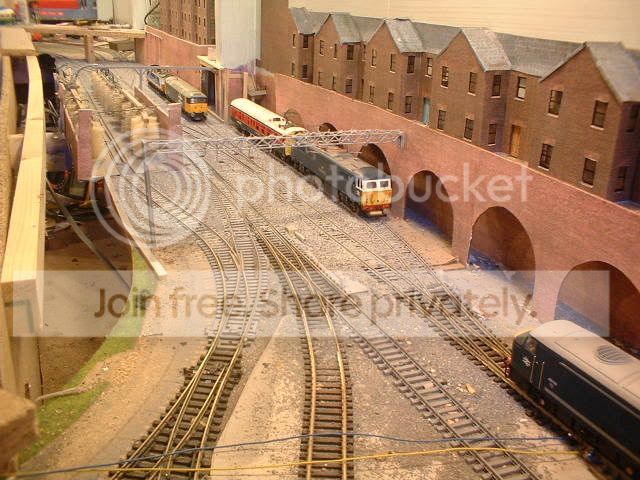
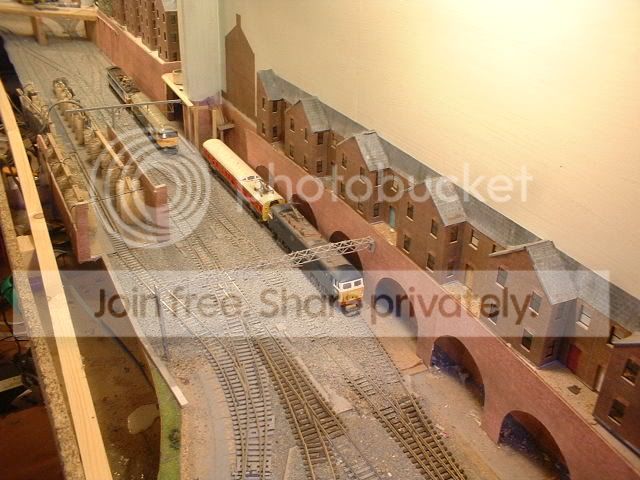
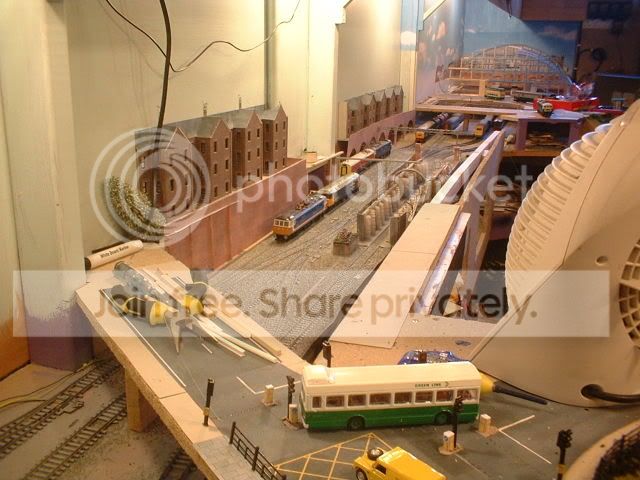
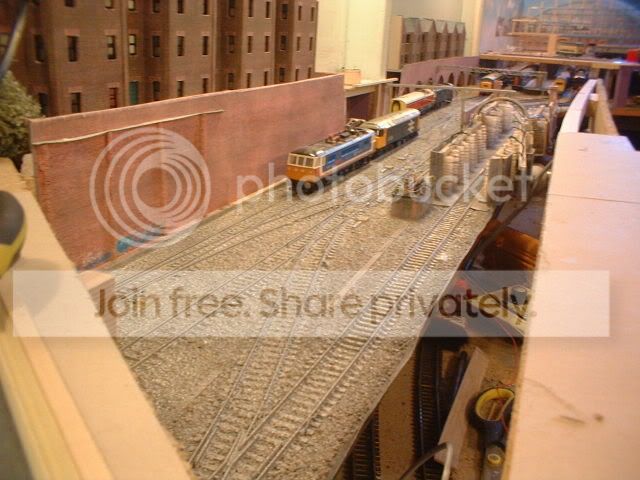
Posted
Guest user
I think my internet is playing up again as I posted it the first time went over to TVGR then when I came back here the post wasn't in the thread so I reposted it and now theres two! Very strange. :roll:
Posted

Legacy Member
Posted
Guest user
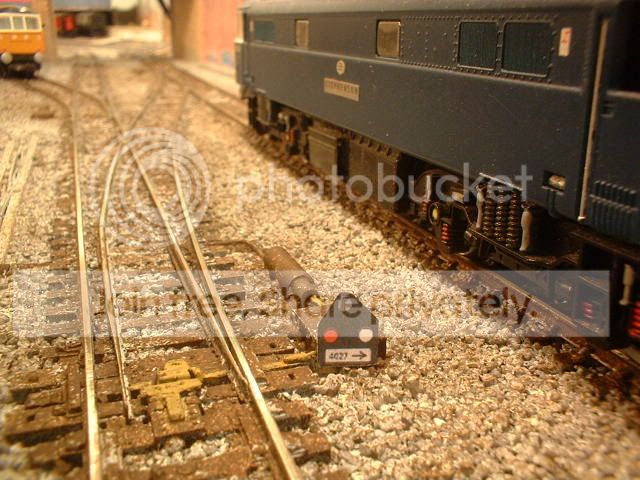
After the paint had dried I decided to have a go at painting the track with some brown acrilic paint. The result is as follows….
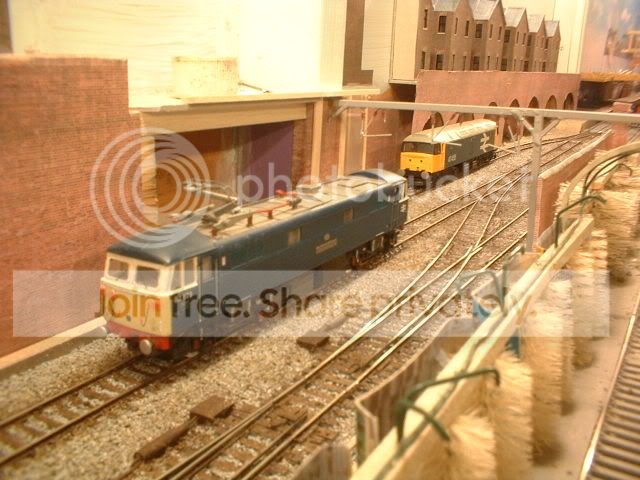
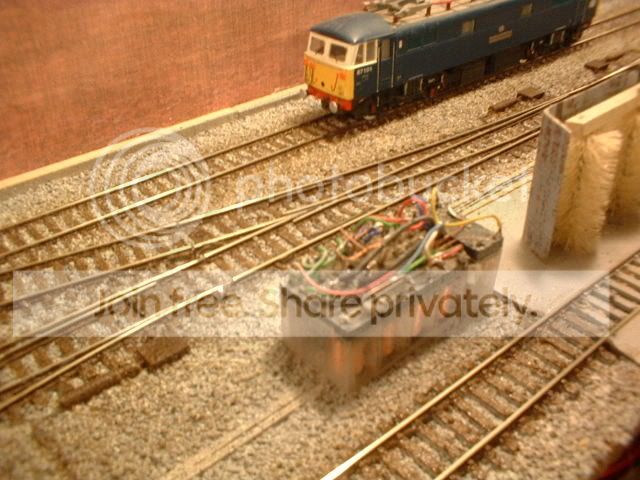
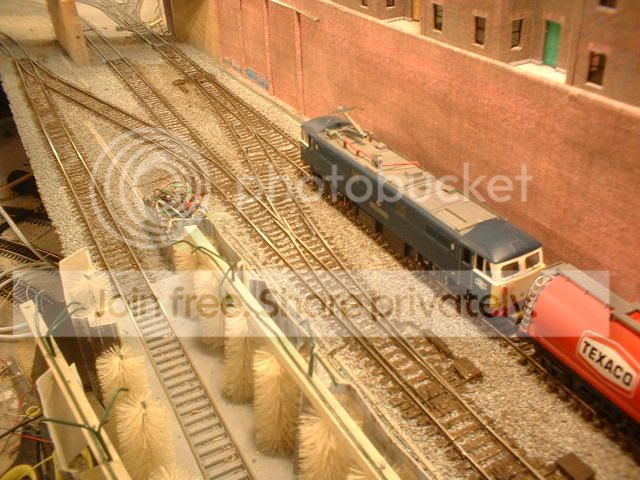
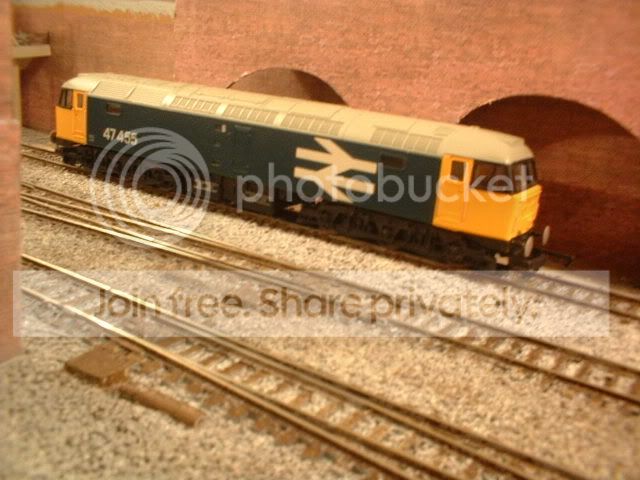
Next on the list will be scratchbuilding some ground signals!
Posted
Guest user
will now copy that idea …
 thumbs:thumbs:thumbs:lol::lol::lol::cool:
Posted
Guest user
Posted
Guest user
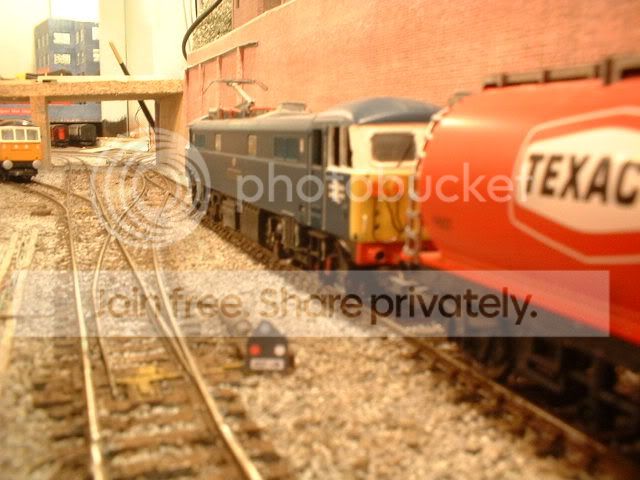
heres a closer pic….
Posted
Guest user
Ballasting - I always paint sleepers & rail first, apply ballast but do not leave it over the sleepers ( though there are bits that show up in photos, to be removed) & end up like this

Posted
Guest user
1 guest and 0 members have just viewed this.